

Compost bins: Tips for proper composting
If you look into the etymology of the word “compost,” you find that it comes from Old French in the 13th century. Back then, the term meant “a mixture” or “a putting together.” That’s exactly what kitchen compost is: a mixture of organic waste that goes from the countertop into the compost bin. From there, it either ends up on the compost heap or in the organic waste bin.
Those who have a compost heap in their garden can count themselves lucky. Nature has arranged it so that kitchen scraps, leftover food, garden clippings, wilted flowers, and more are transformed into high-quality soil. This soil is then used in the home garden – completing the natural cycle.
This natural fertilizer has several advantages. First, it is cost-effective and saves money, since purchased fertilizer can be expensive. Second, it is 100% organic. Every gardener knows exactly what the compost is made of, since they assembled it themselves. Chopped wood, grass clippings, and organic waste – this high-quality mix guarantees a high-quality end product.
Finally, homemade compost is sustainable. Acting and living in an environmentally conscious way reduces your CO2 footprint. What could be simpler than using your own kitchen waste for this purpose? For many years, topics like environmental protection and careful use of natural resources have been omnipresent. Implementing them in everyday life is often easier than one might think.
But how do you compost properly? What should be considered? Which materials are helpful, and which accessories are useful? The answers follow below.
What can go into the compost bin?
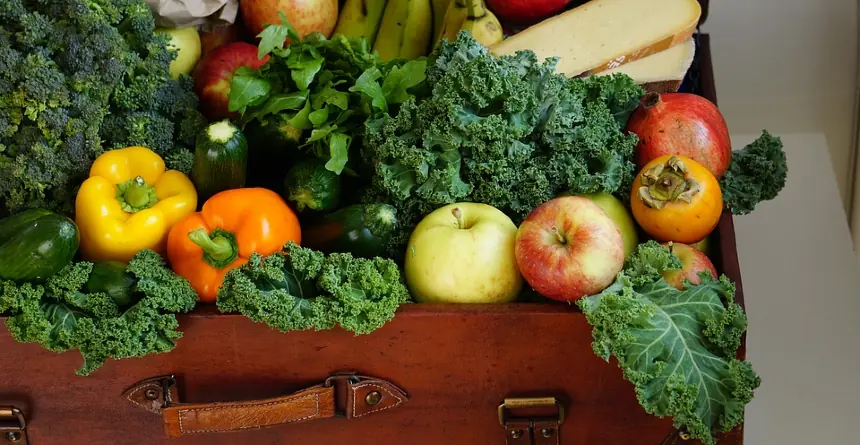
The first intuitive answer to this question is: organic waste. That is definitely correct, but it’s not quite that simple. For example, can cat litter go on the compost heap? What about compostable coffee capsules or medications? Can biodegradable textiles go into organic waste? Here is a brief overview of what can go into a kitchen compost bin:
- Fruit and vegetable scraps
- Old bread
- Food leftovers (raw and cooked)
- Coffee grounds, tea leaves
- Small pet droppings
- Old potted plants (without the pot!)
Items that should NOT go into the compost bin:
- Cigarette butts
- Disposable tableware made from corn, etc.
- Hygiene products
- Medications
- Dog feces
- Stones, sand
- Compostable coffee and tea capsules
A good overview of what belongs in organic waste can be found on the Biogas Zürich AG website.
What should preferably go into the organic waste bin?
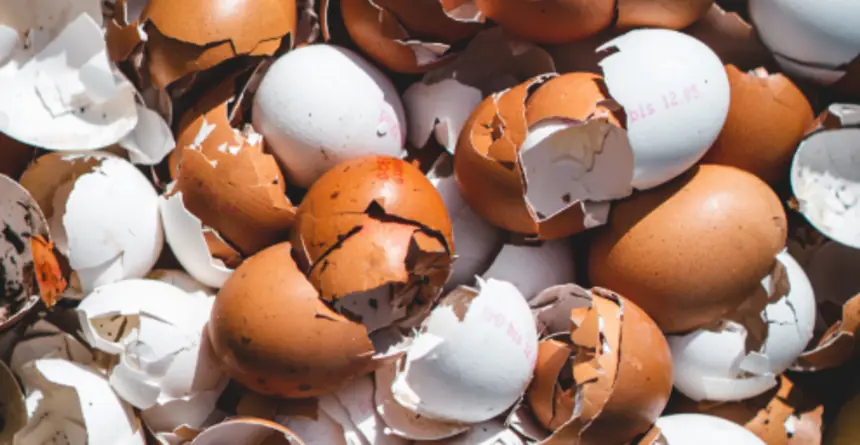
There are quite a few types of organic waste that should not go into the compost bin or onto the compost heap. For disposal, the organic waste bin is the method of choice. These include:
- Citrus fruits: They mold easily.
- Weeds in full bloom: Their seeds spread in the garden after composting.
- Diseased plant parts: They reduce the quality of the compost.
- Fresh grass clippings: They rot quickly. Better to let them dry a bit first!
- Wood ash: It may contain harmful substances.
- Meat: Attracts pests.
- Eggshells: Pose a risk of salmonella.
It is best to separate the organic waste for the bin from the compostable kitchen waste in the kitchen. Using two compost bins is recommended.
What is important for a compost bin?
Some things quickly show their quality and are worth choosing carefully. A low-quality compost bin causes more trouble than it’s worth. Bad odors, unsightly appearance of the waste, or too little capacity are just a few examples.
The compost bin usually stands on the kitchen counter. Stylish design combined with high-quality features characterizes a good compost bin. The POT compost bin offers all relevant advantages:
- The lid closes tightly. Nothing spills during transport.
- The activated charcoal filter in the lid ensures ventilation and prevents odors.
- The handle is sturdy and comfortable to hold.
- It has a five-liter capacity.
- It is easy to clean.
- It is made of high-quality materials.
In the kitchen, utility room, garden, or barn – the compost bin is used wherever organic waste accumulates. A high-quality bin makes disposal easy – quality pays off!
How does organic waste turn into soil?
The process of composting is always the same. Whether in an industrial fermentation plant, a forest leaf layer, a garden compost heap, or a kitchen compost bin – nature takes its course:
- Natural decomposition begins. Organic waste consists of material that cannot survive without an active metabolism.
- Heat retention through the compost layers promotes an optimal climate for microorganisms.
- Bacteria, insects, worms, woodlice, snails, and others find a paradise in the compost. Their digestion produces compost.
How to compost properly?
The meal is cooked, the compost bin is full of fruit and vegetable peels. The coffee grounds from breakfast also fit in, and the accidentally dried-out potted plant ended up in there as well. What happens next?
From the compost bin to the compost heap
First, the organic waste must be transferred from the compost bin to the compost heap. This is best done daily. Especially in summer, the fermentation process starts quickly. Even with the best compost bin, odors may occur. The compost heap in the garden is there year-round; the supporting frames are usually made of wood or wire.
Garden centers also offer thermocomposters, e.g., made of plastic. They are suitable even for smaller gardens. Open composting (e.g., pile composting) is less suitable for home use. Here, compost heaps of leaves, wood, straw, or similar materials are simply stacked and covered with a plastic sheet.
Composting requires skill
Experienced gardeners can help their compost along. To ensure it succeeds, some tips and tricks can be applied:
- The compost can be turned every few weeks: inside out and outside in. The best comparison is kneading dough – everything gets mixed thoroughly for the best results.
- Compost develops best in shaded locations. Full sun promotes rot and drying.
- If the compost becomes too dry, it cracks or ants may appear. Dry compost cannot decompose properly. Watering, adding wet kitchen waste, or moist leaves helps.
The compost smells – what to do?
Smelly compost can indicate too much moisture. A sunny location can also promote odors. Adding fresh (finely chopped) wood can prevent smell formation. Rock dust or straw can also be added. Everything is mixed well, which loosens the compost. This should significantly reduce or eliminate odors.
The mixture matters
The key to perfect compost is its “ingredients.” The perfect mix of different materials ensures loose, nutrient-rich soil for a flourishing vegetable garden. If not mixed properly, the compost becomes too wet, too dry, smelly, or moldy.
Leaves, straw, chopped wood, kitchen waste, hedge clippings, old potted plants – when mixed, almost nothing can go wrong. Dry and wet materials are combined and occasionally turned to ensure proper decomposition. This is usually sufficient every few weeks. Over time, a practiced eye will determine the right timing.
A common mistake is adding too much fresh grass clippings. They rot quickly, especially in warm weather. Partially dried clippings or chopped wood balances this.
The advantage of two compost heaps
Anyone who has ever transported a wheelbarrow full of soil knows: fresh soil is heavy. After a few weeks, the lower layers of the compost heap are already partially composted and may be hard to turn. Newly added compost material is not harmful but repeatedly interrupts the composting process.
If there is enough space in the garden, use two compost heaps. Older layers can then be shifted to the second heap to finish composting undisturbed.
What equipment is needed?
Making compost doesn’t require much. The most important thing may be a place in the garden for the heap – shaded and somewhat secluded is ideal. Choose a suitable bin: wood, wire, plastic – personal preference matters.
Basic equipment also includes pitchforks or shovels to turn the compost, a wheelbarrow for transport, a shredder for wood, or a compost cover sheet.
How to reuse compost?
Compost loosens garden soil and improves aeration. The soil becomes higher quality and more stable, with better water retention. Plants benefit from the nutrients and are less susceptible to pests. These are just a few advantages of homemade compost.
In the garden, compost can be worked into the soil year-round. It is particularly useful in spring when planting. Compost is simply worked into the topsoil with a rake. Micro- and macro-organisms take care of the rest.
Even potting soil can be made with compost. A mix of roughly one-third compost, one-third regular soil, and one-third peat creates high-quality potting soil. Some experimentation is needed; the right mix comes with the gardener’s experience.
Time in the garden – Quality Time!
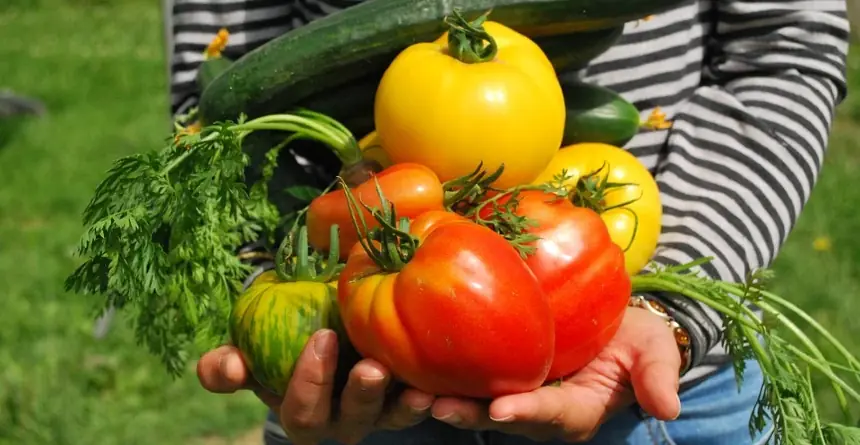
Vegetable garden, orchard, lawn for playing, flower beds, terrace – having your own garden is simply fun! Once you start composting, planting, caring for, and harvesting, you’re sure to enjoy it.
Even if you only have a balcony: flower boxes and potted plants can turn it into a cozy space to relax. Working with plants is a wonderful way to balance a stressful daily routine. And with the right watering can, it becomes even more enjoyable.
Terraces and outdoor spaces are also perfect for enjoying a good meal with friends and family. A delicious fondue, a tasty raclette, or fragrant pizza – sometimes it’s the simple things in life that create lasting memories. Feel free to get inspired in our online shop and become a master chef!
Compost bins and more
Anyone devoted to gardening knows how rewarding it is. The individual tasks, observing plant growth, and harvesting your own produce are pure relaxation. Even creating your own compost heap is enjoyable, as its very purpose is reward enough.
After gardening, fruits and vegetables naturally need to be prepared in the kitchen. In our online shop, you’ll find the right accessories and perfect equipment. From compost bins to fondue forks – we’re happy to assist you with any questions or suggestions. Simply get in touch with us conveniently via contact – we’re happy to advise you!
RELATED POSTS

Balcony barbecue with the electric table grill
A balcony barbecue is the quintessential summer classic. Especially in cities, grilling on the balcony is incredibly popular. Those without a garden can simply move their summer culinary experience to their own outdoor space...

Watering cans for houseplants vs. garden plants
Anyone who wants to care for healthy plants needs the right tools. A suitable watering can is especially important. Watering cans for houseplants differ significantly from models for the garden in several ways. Those who water daily or weekly...

Electrical appliance accessories: Useful helpers for the kitchen and household
What would a raclette evening be without the right pans, or a dehydrator without additional plastic or metal drying racks? Only with the right appliance accessories can you get the most out of your kitchen appliances. It's often the little things...

Shopping baskets: Stylish and practical shopping
A shopping basket is much more than just a simple shopping companion. It combines functionality with style and ensures that your groceries are transported safely and comfortably. Whether at the farmers' market or the supermarket – a...