
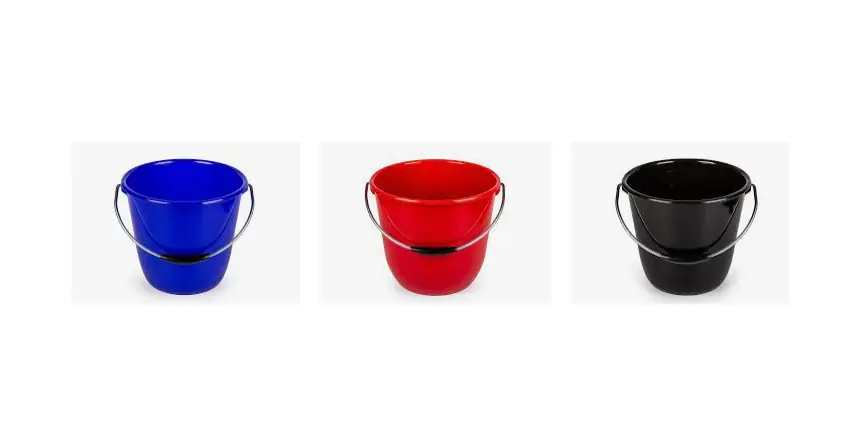
A bucket is your practical household helper, which can be used in many ways.
There are only a few product categories offered in as wide a variety as household and cleaning items. This gives users the opportunity to always have the right tool on hand. This also applies to buckets.
With these containers, you can not only keep your home in order. They are also versatile and practical helpers in the garden, in the barn, or on construction sites.
What is a bucket?
A bucket, or pail, is a container that is open at the top. It can come in various shapes, most commonly cylindrical. Slightly conical shapes have also proven effective.
In the past, these versatile helpers were made exclusively from wood or leather. Today, buckets are mostly made from plastic or metal. The purpose of the container is to separate and store or transport its contents from the surrounding environment.
An indispensable part of a bucket is its handle. It allows for manual use and convenient handling, making it a versatile transport tool. Buckets are most often used to carry liquids or bulk materials.
Buckets: Special Features and Types
Buckets used in commercial settings must meet high standards. For fast and efficient building cleaning, cleaning companies often use mop buckets on wheels.
They can easily be pushed by the user to the desired location. This allows for labor-saving cleaning without having to carry the bucket every time the location changes.
The capacity of household buckets is very important. When used for cleaning, this volume is essential, as cleaning often involves a significant amount of water.
In our shop, you will find buckets in various sizes. Volumes of 10 and 15 liters have proven particularly practical. Depending on your needs, choose food-safe products with a practical scale or a bucket made from durable recycled plastic.
Even these environmentally conscious buckets come with a scale. Please note that these variants are not food-safe. All buckets in our assortment are Swiss Made.
A sturdy metal handle ensures comfortable and easy handling. It is also equipped with a plastic grip, contributing to overall user comfort.
How do I clean properly with a bucket and other tools?

Unfortunately, the household doesn’t clean itself. But those who work systematically and with the right equipment finish faster. Moreover, the sparkling result is impressive.
What basic equipment is required?
To clean a private household, just four cleaners are usually enough to remove dirt from your home:
- Vinegar or lemon-based cleaner
- All-purpose cleaner
- Scouring cream
- Toilet cleaner
Heavily soiled areas can be cleaned more effectively with thorough scrubbing, wiping, and rubbing than with many different cleaning products. Of course, there are cases where a specialized disinfectant is required. Here, we recommend using it only for a short period.
These cleaning products are often too harsh for health and the environment. If used too frequently, they can lead to germs developing resistance against the active ingredients.
Hygiene is also important with cleaning cloths. To prevent germs from being spread from room to room, multiple cloths should be used. Simply work with differently colored cloths. Important: replace the cloths every two to three days.
Basic cleaning equipment should also include a bucket, a powerful vacuum cleaner, a dustpan, a broom, and a scrub brush.
It starts very simply
Before you begin cleaning a room, it should be tidied up. This makes the work easier: you avoid constantly moving items from one place to another. Furthermore, nothing stands in the way of your cleaning. Vacuum cleaner, cloths, mop, and bucket have free access. This simple approach saves nerves and a lot of time when cleaning.
The dance with bucket, cloth, and mop: from top to bottom

An iron rule for house cleaning: always work from top to bottom. Start by dusting and cleaning light fixtures. Next come shelves, tables, windowsills, and small furniture. The best results are achieved with a slightly damp microfiber cloth.
To ensure that dirt is absorbed into the cloth rather than spread around, always wipe in a single direction. Finally, vacuum floors and upholstered furniture to prevent dust from being stirred up again.
Using a bucket, mop, or scrub brush: cleaning the floors
Hard floors, tiles, and wooden planks have been vacuumed. Now it’s time for the actual cleaning. First, mop the floor with a damp cloth. Then wipe it dry. Whether you use a microfiber scrubber or a mop is a matter of personal preference.
The following technique has proven effective: first, clean the edges of the room. Then, move backward in a figure-eight motion to avoid simply pushing the dirt back and forth.
If you have a so-called designer floor, it requires special cleaning agents. Regular mopping involves multiple steps. For this, you need two buckets and two mop heads: one with a water-cleaner mix, the other with plain water.
First, apply the cleaner mixture with a suitable mop head using the method described above. In the second pass, use plain water and the second mop head to remove the loosened dirt.
Keep a clear view: streak-free window cleaning
A bucket is also a key helper for window cleaning. In the past, many housewives swore by using newspaper for cleaning. While the glass may be clean, the ink can discolor the window frames.
A bucket of warm water, dish soap or vinegar cleaner, cloth, and squeegee are more effective. First, thoroughly apply soap to the glass. Then, carefully pull the squeegee from top to bottom. Wipe the window frame with a cloth afterwards.
Never wipe windows in direct sunlight, and dry them completely. This prevents streaks and smudges. Splashes or fingerprints can easily be removed with standard glass cleaners.
How to make the bathroom sparkle?
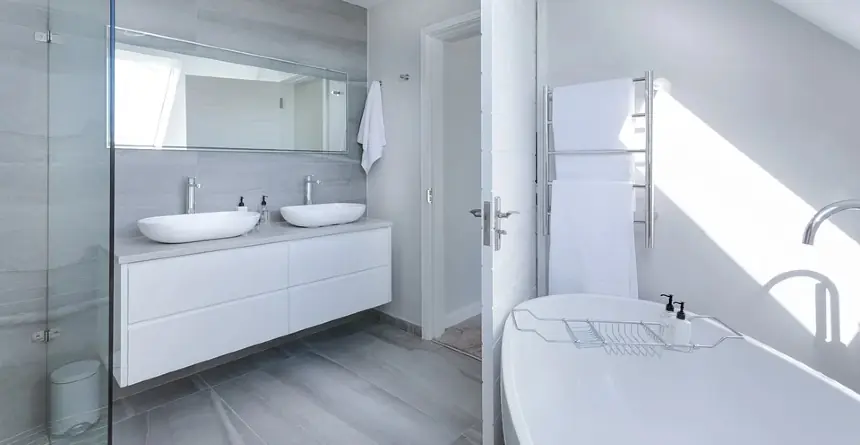
The bathroom is more than just a wet room for daily personal hygiene. It has developed into a wellness oasis. To keep it looking beautiful for many years, regular cleaning is essential. But buckets and other cleaning tools shouldn’t be used here just for aesthetic reasons.
Although the general trend is to save water, you should make an exception in the bathroom. Only a sufficient amount of this valuable liquid can interrupt the spread of germs and rinse everything clean. We also recommend using water as warm as possible. Soap residues dissolve much more easily, and bacteria and germs are effectively eliminated.
Germs form especially easily in and around the toilet. Ironically, the cleaning cloth creates ideal living conditions for these invisible and unwelcome guests. The ceramic itself is cold and dry, whereas the cloth is warm and damp.
Dirt and limescale can be effectively removed with a vinegar cleaner and an all-purpose cleaner. Be sure to replace the cloth used for this cleaning regularly.
If the toilet smells unpleasant, the cause is often under the rim of the toilet bowl. Scrub there with a toilet brush or use an old toothbrush.
The bucket: an important partner in the fight against limescale
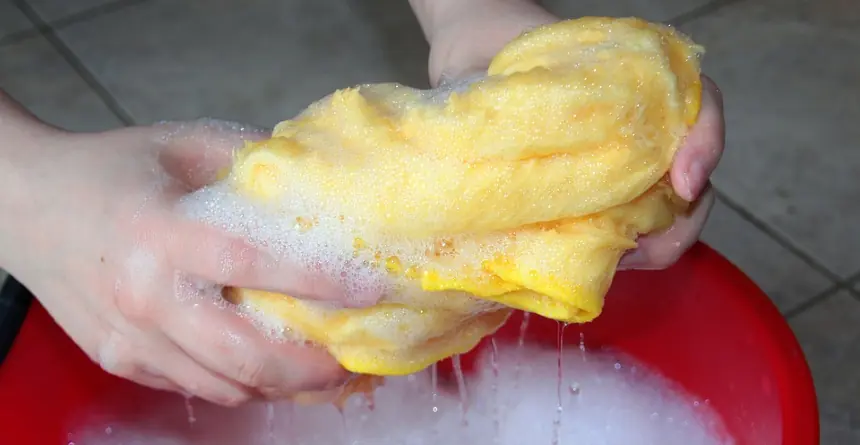
Limescale spots appear wherever water is used. They can be removed just as quickly with vinegar essence as they appear. In a household bucket, mix ordinary household vinegar with water in a ratio of 1:5. This environmentally friendly solution will remove limescale from faucets and surfaces.
If the showerhead or faucets are heavily scaled, don’t scrub for long. Pour some of the vinegar mix into a balloon and place it over the scaled item. Let it work overnight, and by the next day, the treated objects will shine like new.
How to make the kitchen shine again
Kitchen countertops endure a lot every day, so daily cleaning is essential. First, remove crumbs from the surface. Then wipe them thoroughly with a mild solution of dish soap or all-purpose cleaner and water. To prevent limescale, dry faucets immediately after use.
Cooking and frying create fumes, a mixture of grease and moisture. These settle on shelves and objects, and when dust joins in, a sticky layer forms that is hard to remove. Liquid gall soap or a neutral oil is ideal for cleaning this. Afterwards, rinse the treated surface with soapy water.
Keeping the fridge germ-free
A fridge stores and cools various foods. Regular cleaning is crucial to prevent dirt and mold from settling.
First, turn off the fridge and remove the contents. Wash the shelves in the sink using a pH-neutral cleaner and lukewarm water. Grooves and gaps can be gently cleaned with a thin wooden skewer.
Pay attention to the drainage channel on the back wall to prevent condensation from collecting inside. Pipe cleaners or small brushes are helpful here.
Clean the interior thoroughly, including the seals, from top to bottom with an all-purpose cleaner and a cloth. Finally, dry the interior completely and replace the shelves. The fridge is now ready to store food safely and germ-free.
Spotless mirrors
Mirror cleaning usually doesn’t require a bucket. Generally, a glass cleaner and a microfiber cloth are sufficient. Linseed oil or freshly squeezed lemon juice can remove stubborn spots. Rubbing lightly with dry soap after cleaning helps prevent mirrors in the bathroom from fogging up.
High-quality products for a beautiful home
Stöckli AG, inventor of the Raclette portion oven, offers high-quality and practical products. They make cooking and dining together a true highlight. Beyond the kitchen and dining table, we provide items that make everyday life easier and support cleaning. Especially practical is a small, mobile compost bin, which should not be missing in any kitchen.
Do you have questions about our products or buckets? You can easily contact us via our contact form. We look forward to hearing from you!
RELATED POSTS

Balcony barbecue with the electric table grill
A balcony barbecue is the quintessential summer classic. Especially in cities, grilling on the balcony is incredibly popular. Those without a garden can simply move their summer culinary experience to their own outdoor space...

Watering cans for houseplants vs. garden plants
Anyone who wants to care for healthy plants needs the right tools. A suitable watering can is especially important. Watering cans for houseplants differ significantly from models for the garden in several ways. Those who water daily or weekly...

Electrical appliance accessories: Useful helpers for the kitchen and household
What would a raclette evening be without the right pans, or a dehydrator without additional plastic or metal drying racks? Only with the right appliance accessories can you get the most out of your kitchen appliances. It's often the little things...

Shopping baskets: Stylish and practical shopping
A shopping basket is much more than just a simple shopping companion. It combines functionality with style and ensures that your groceries are transported safely and comfortably. Whether at the farmers' market or the supermarket – a...